

More news on this day
Egypt is preparing to overhaul how many international visitors enter the country, introducing a fully digital visa-on-arrival system at Cairo International Airport that replaces paper stickers with secure QR code e-visas from August 2026.
Get the latest news straight to your inbox!
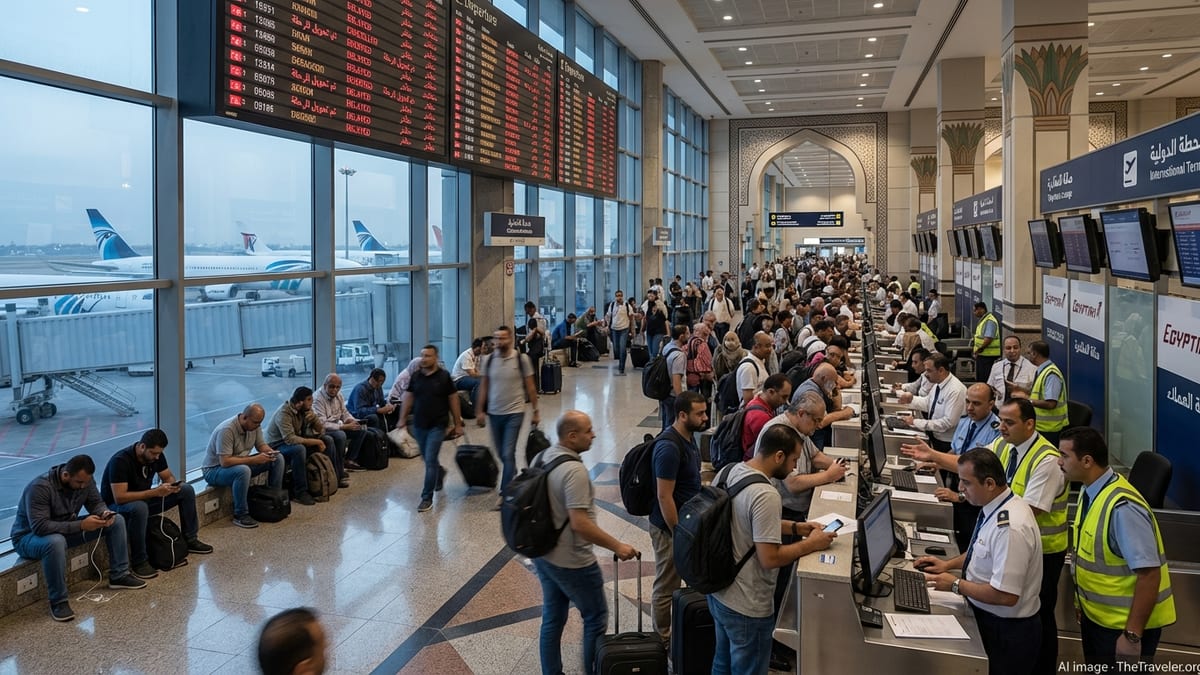
New Digital System Targets Faster, Smoother Arrivals
According to recent government announcements and local media reports, Egypt has signed executive agreements to operate the new digital visa-on-arrival platform across all terminals at Cairo International Airport. Full activation is scheduled for August 2026, with the initiative positioned as the next phase of a broader program to modernize entry procedures at the country’s busiest gateway.
The system will allow eligible travelers to complete most visa formalities electronically before reaching passport control. Instead of buying a paper visa sticker at bank counters in the arrivals hall, visitors will receive a digital visa in the form of a scannable QR code, designed to be validated quickly at immigration desks.
Publicly available information indicates that the platform is intended to reduce congestion in arrival halls, cut waiting times and make entry processes more predictable for tour groups and independent travelers alike. Officials have framed the move as part of Egypt’s effort to enhance the first impression for visitors, particularly as the tourism sector targets higher arrivals in the coming years.
The project at Cairo follows earlier pilots of emergency e-visas on arrival and sits alongside Egypt’s existing pre-travel e-visa portal, which remains available to many nationalities. In practice, the new system is expected to coexist with these channels while gradually shifting more traffic into digital workflows.
How the Digital Visa-on-Arrival Will Work
Under the new setup, travelers eligible for a visa on arrival will be able to submit their information using several channels. Reports describe a network of self-service kiosks inside Cairo International Airport and other designated arrival points, as well as an official website and mobile application dedicated to the digital visa-on-arrival service.
Passengers will enter their personal and travel details, upload any required documentation and pay visa and service fees electronically through integrated payment options. Once the application is approved, the system issues a digital visa represented by a QR code, which travelers can store on their mobile phones or print out as a backup.
At passport control, border officers will scan the QR code to confirm validity and match it against the traveler’s passport data. The aim is to replace the current paper sticker and manual checks with automated verification steps that are faster and less prone to error, while still complying with security and identity requirements.
Information released so far indicates that applicants will not be limited to completing the process on arrival. The system is expected to allow eligible visitors to submit requests up to 48 hours before landing in Egypt, giving travelers and tour operators additional flexibility in managing group itineraries and last-minute bookings.
Integration With Existing E-Visa and Airport Modernization Efforts
The new digital visa-on-arrival is being introduced into a landscape where Egypt already offers electronic visas in advance of travel through an official online portal. Many tourists currently choose that route to avoid queues at the airport, while others still rely on traditional visa-on-arrival counters and cash payments.
Recent coverage suggests that the digital visa-on-arrival platform is intended to complement, rather than replace, the existing e-visa system. Visitors who prefer to secure authorization before departure will still be able to apply online in the usual way, while those relying on a visa on arrival will increasingly shift to the new digital channels at Cairo Airport.
The initiative also aligns with broader changes at Egyptian airports, including the gradual removal of paper landing cards and the introduction of more self-service options for passengers. Travel industry reports point to a coordinated effort to bring check-in, security, customs and visa procedures into a more integrated digital environment, particularly at Cairo, which is both a major regional hub and the primary entry point for many first-time visitors.
Sector observers note that this modernization drive is occurring as Egypt works to expand airport capacity, upgrade terminal infrastructure and attract more long-haul routes. Streamlined entry processes are viewed as a key factor in making the destination more competitive with other regional hubs that already rely heavily on digital border technologies.
Security, Payment Innovation and Data Handling
Publicly available statements about the Cairo rollout emphasize that the digital visa-on-arrival system is built as a secure, centrally managed platform. The service is being implemented in cooperation with local technology firms and major Egyptian banks, which are responsible for running the payment gateways and parts of the digital infrastructure.
By moving visa payments into electronic channels, the authorities aim to reduce the handling of cash inside arrival halls and offer more consistent pricing and fee transparency. The shift also aligns with Egypt’s push to expand digital payments across the economy, particularly in sectors with high foreign currency inflows such as tourism and aviation.
The QR code format allows the system to embed key data about the traveler and their authorization into a machine-readable credential. At the same time, references in local coverage to secure and encrypted processing indicate that the platform is being promoted as compliant with contemporary data protection and cybersecurity standards, although detailed technical specifications have not been widely publicized.
Industry analysts suggest that, over time, integration between the visa platform and other border management systems could support more advanced risk assessment and pre-screening, while still giving legitimate travelers a faster and more predictable experience on arrival.
Part of Egypt’s Wider Digital Transformation Strategy
The launch of digital visas on arrival at Cairo International Airport is being framed as a flagship example of Egypt’s broader digital transformation agenda. Government communications in recent years have highlighted ambitions to digitize public services, expand electronic payments, and use technology to boost key sectors such as tourism.
In this context, the new visa platform serves both a practical and symbolic role. On a practical level, it directly affects millions of visitors who pass through Cairo every year, potentially cutting time spent in queues and reducing reliance on paper-based processes. Symbolically, it showcases how digital tools can reshape a highly visible point of contact between the state and international travelers.
Observers in the travel trade note that the move arrives as Egypt targets significant growth in tourism receipts and positions itself as a year-round destination for culture, beach holidays and major events. Simplified, predictable entry procedures are often cited as a crucial factor when travelers and tour operators choose between competing destinations in the region.
Reports also indicate that the Cairo rollout is intended as a first step toward extending the digital visa-on-arrival platform to other Egyptian airports once the system proves stable at the capital’s hub. If implemented successfully, this could lead to a more unified digital experience for visitors arriving in Egypt, regardless of their gateway city.